
Growing Responsibly.
Protecting What Matters.
At JB Farms and Tosett Agro, sustainability is embedded in how we farm, process, and manage resources across the palm oil value chain. Our approach focuses on reducing waste, improving energy efficiency, supporting local communities, and producing responsibly for long-term impact.

Environmental Stewardship & Land Management
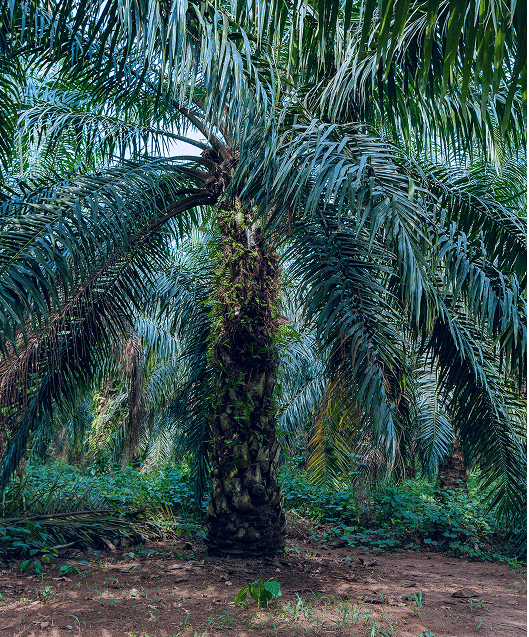
We adopt responsible land management practices across our plantations, focusing on long-term soil health, efficient land use, and sustainable replanting. Older plantations are rehabilitated through structured replanting programmes, while mechanised farming supports consistency, productivity, and reduced land degradation over time.
Employee Health & Safety
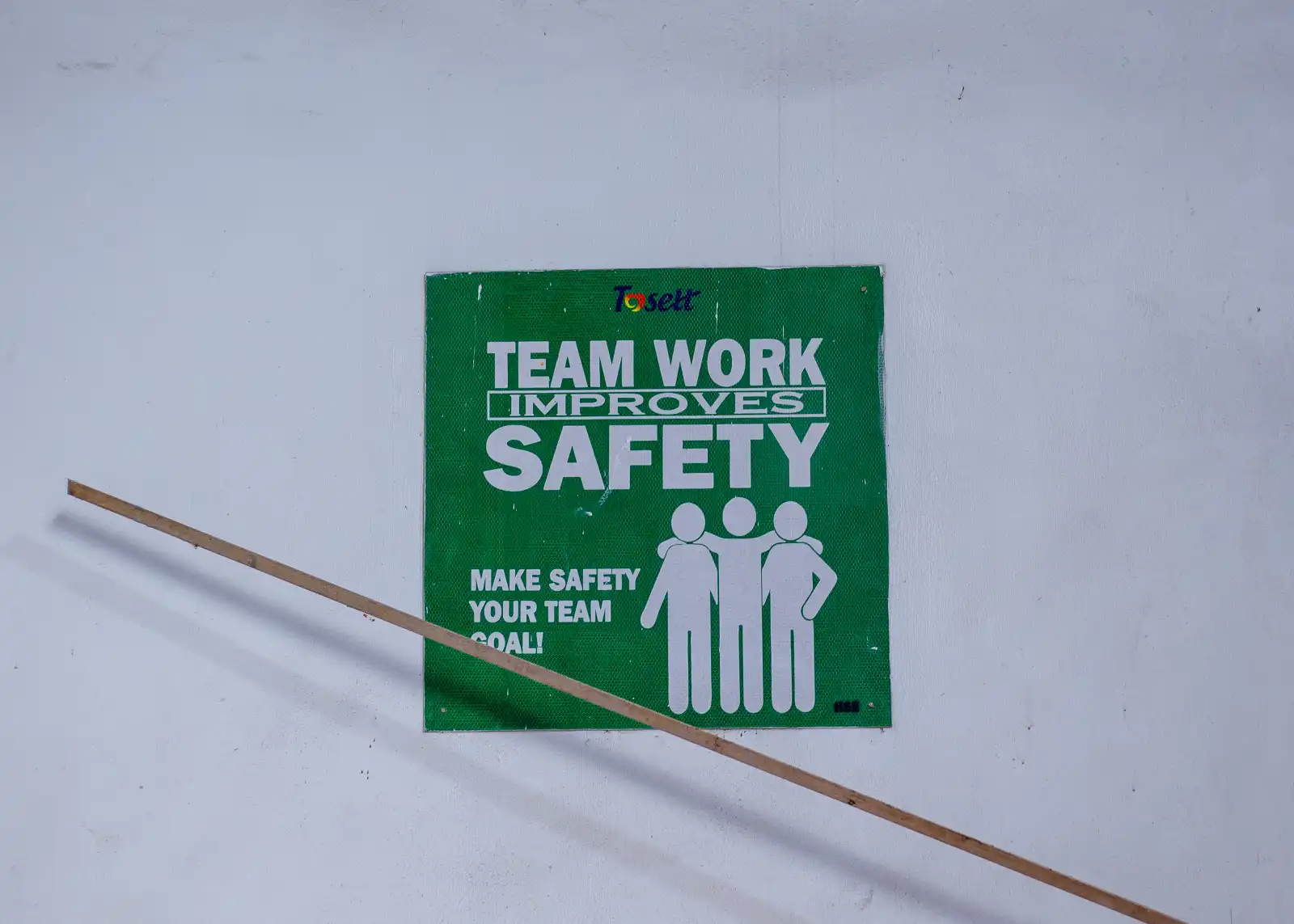
Worker welfare and safety are central to our operations. Employees across plantations, mills, and processing facilities receive training in safety procedures, equipment handling, and operational best practices. We maintain structured work environments that prioritise health, safety, and dignity across all locations.

Responsible Waste Management & Organic Fertilisation
Nothing from the palm tree goes to waste. Across our operations, by-products from milling are captured and repurposed to create value, improve efficiency, and reduce reliance on external inputs.
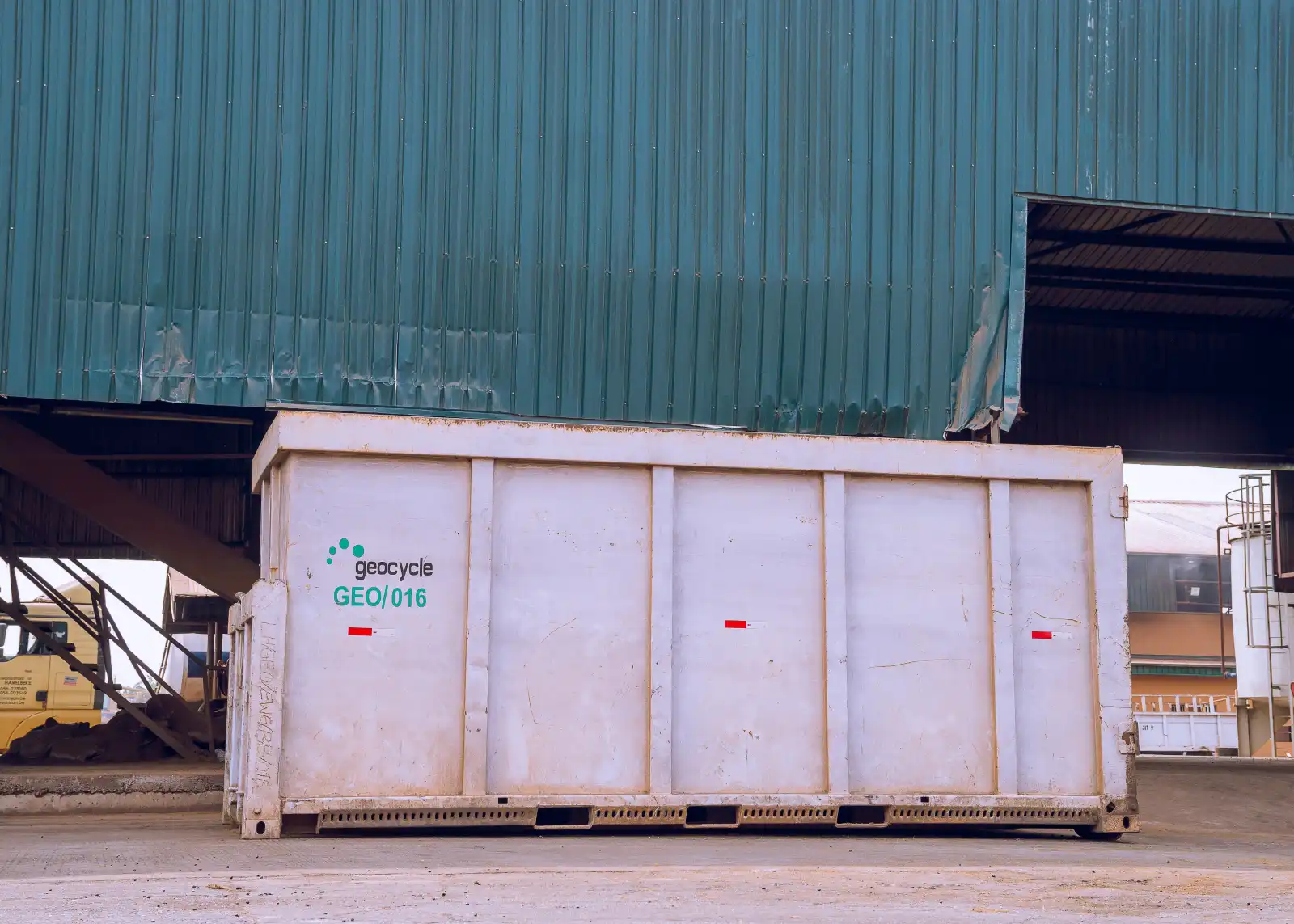
JB Farms adopts a circular approach to waste management by converting by-products into agricultural inputs.
Two major by-products, Empty Fruit Bunches (EFB) and Palm Oil Mill Effluent (POME), are combined and managed to create organic mulch. POME, a nutrient-rich liquid effluent, is sprayed onto empty fruit bunches and allowed to decompose under controlled conditions. Within weeks, this material transforms into organic manure, which is returned to the plantation as fertilizer. By closing the loop between processing and farming, JB Farms ensures that waste becomes a resource rather than an environmental burden.
Energy Efficiency & Self-Sustaining Operations
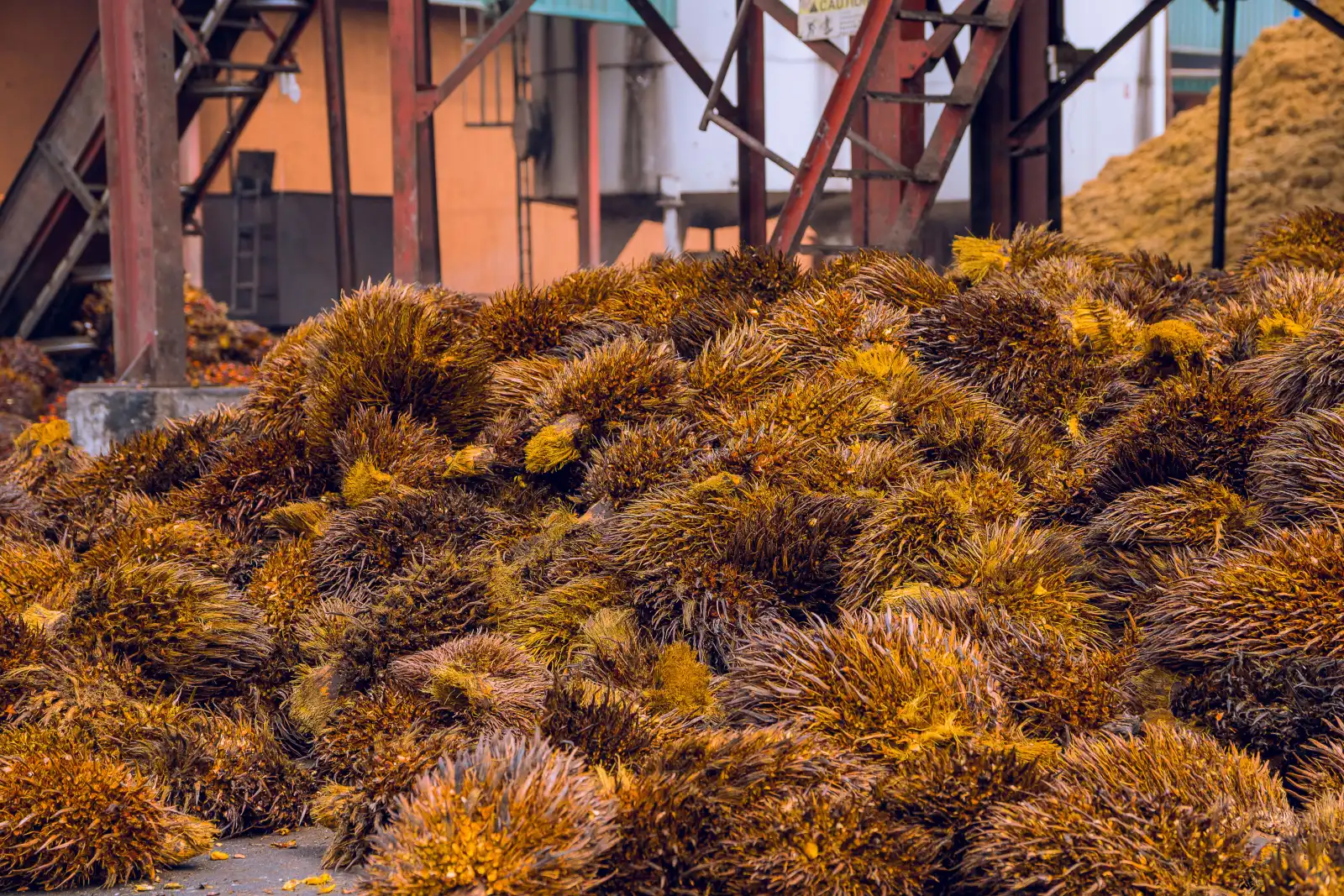
Our new industrial palm oil mill in Ore, Ondo State, reflects a major advancement in sustainable processing. Designed as a self-sustaining facility, the mill uses biomass generated during processing to power its own operations.
During milling, approximately 21-22% of the output is oil, about 4% is palm kernel, and the remaining material consists of fibrous biomass. Rather than disposing of this biomass, it is burned in a boiler to produce steam. The steam drives a steam turbine system, generating electricity for the mill and virtually eliminating the need for fossil fuel energy sources.
This system reduces reliance on diesel fuel by almost 100%, significantly lowering emissions and operating costs while improving energy resilience.